
The FMP Blog

A man feels tired, has gained weight, notices a decline in libido, and no longer gets the same results from exercise. Testing confirms low testosterone.
The most obvious next question may be whether...
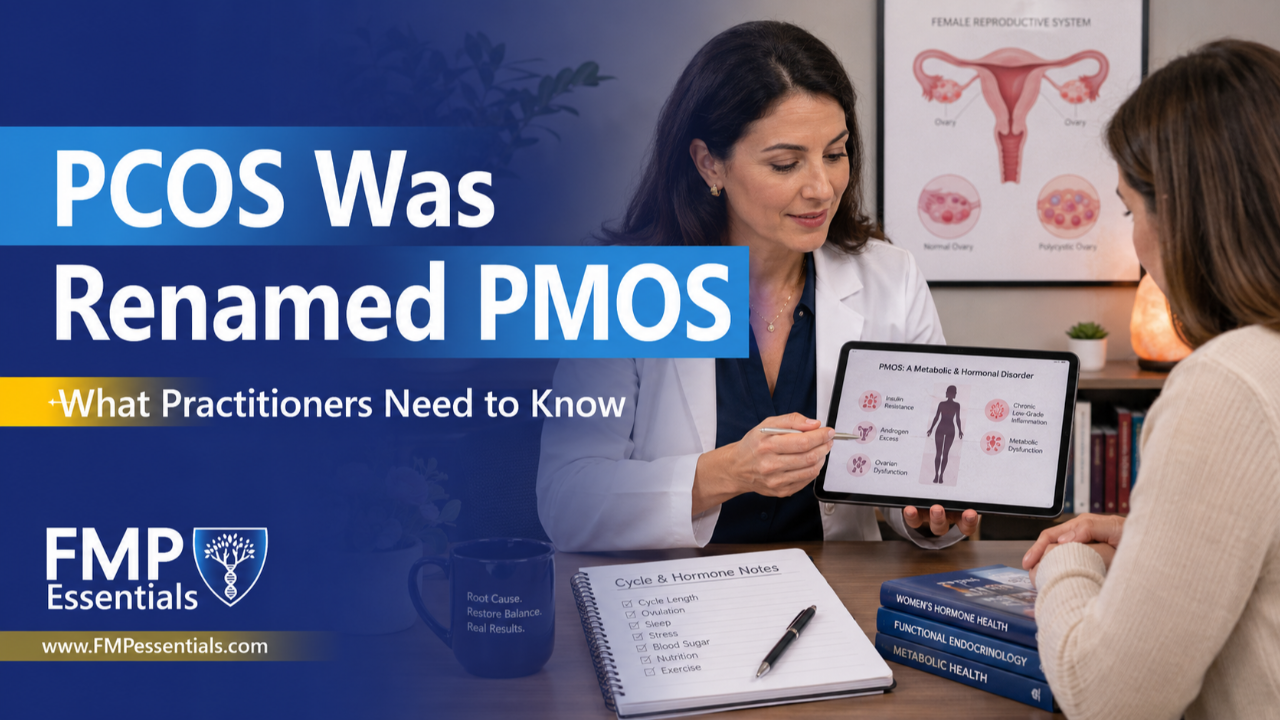
Polycystic ovary syndrome (PCOS) has officially been renamed polyendocrine metabolic ovarian syndrome (PMOS).
For practitioners, this is more than a terminology update. It reflects a clinical reality ...

Irregular periods are common during adolescence, especially in the first several months after a teen’s first period. During this time, the communication between the brain, ovaries, and uterus is still...

Anxiety is often treated as a mental health issue alone, but physiology plays an important role as well. The brain depends on a steady supply of nutrients to regulate neurotransmitters, energy metabol...
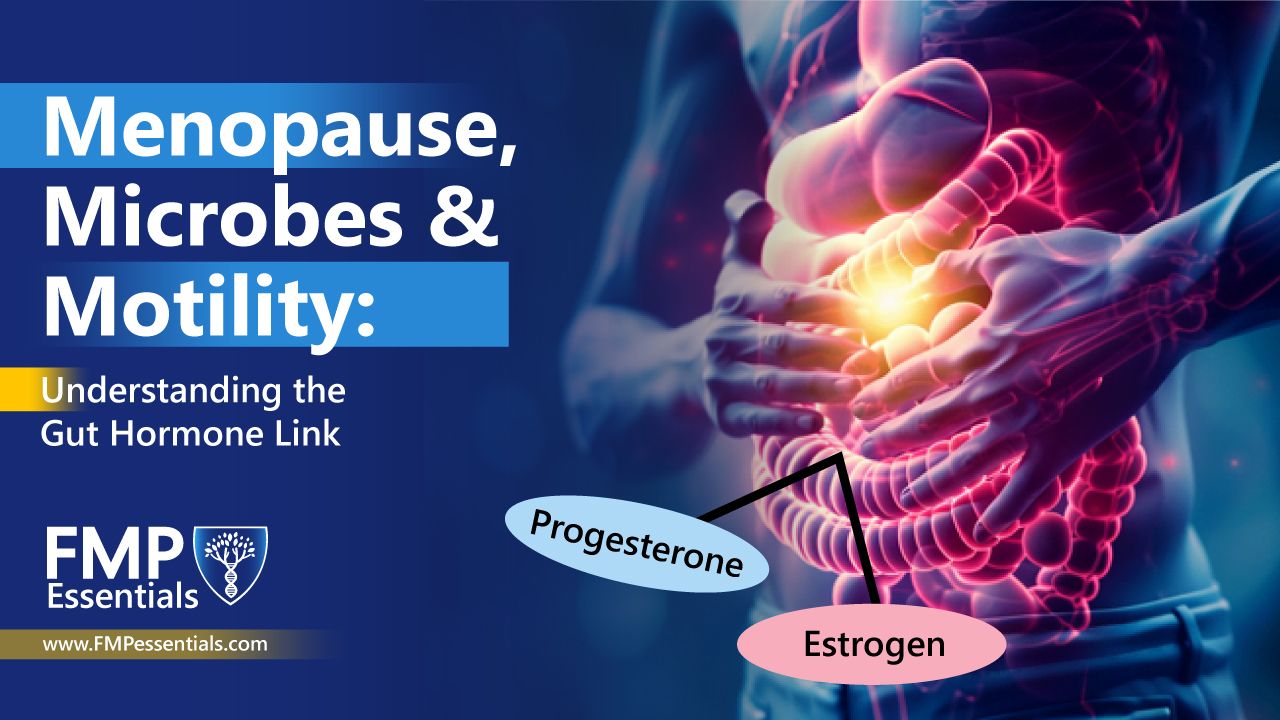
The menopausal transition affects far more than reproductive health. Shifts in estrogen and progesterone during this time influence the gut microbiome, intestinal motility, bile acid metabolism, and b...
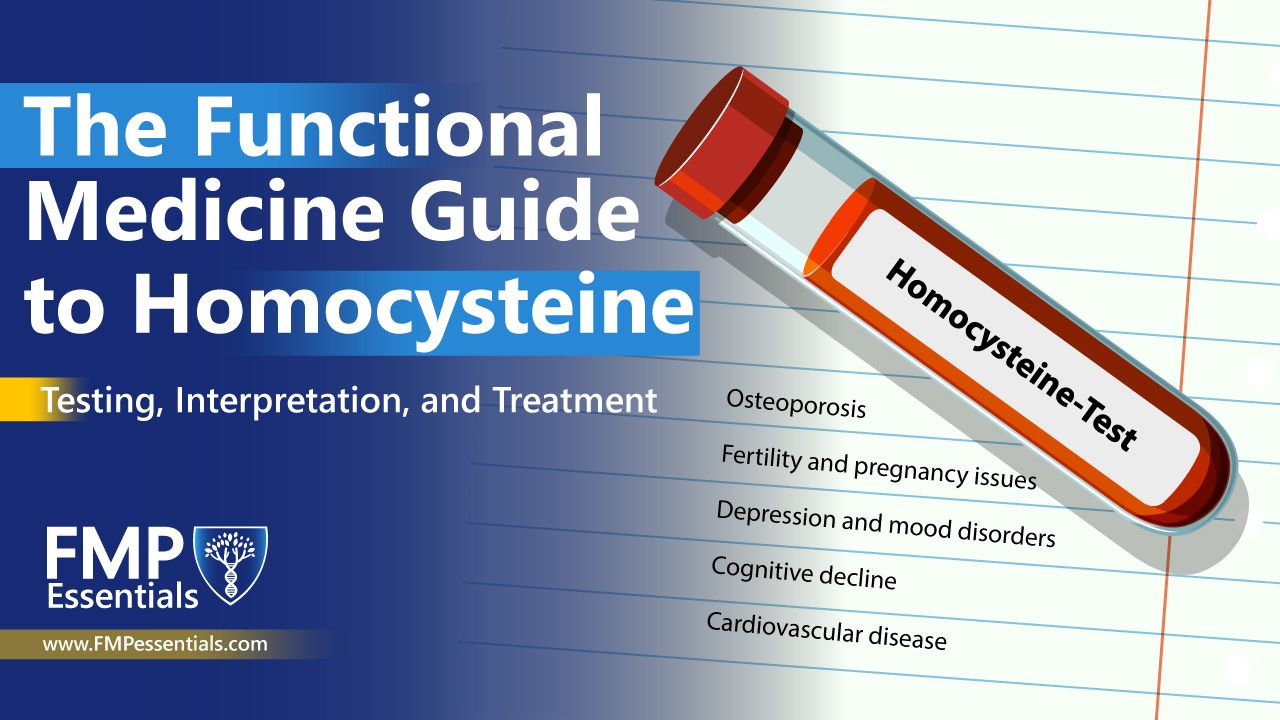
Homocysteine is more than just a lab value. It is a functional medicine marker with wide-ranging clinical implications. Elevated levels can signal nutrient deficiencies, impaired methylation, or under...

When I first began my career as an internist and pediatrician, and eventually a functional medicine physician, my approach was clear: if you correct the body’s biochemistry, health will follow.
The de...

As practitioners, we often see patients presenting with symptoms of chronic fatigue, brain fog, and stress-related dysfunction. For years, terms like “adrenal fatigue” and “cortisol steal” have been u...
