
The FMP Blog
Why can thinking feel harder, mental stamina shrink, and mood change long after an illness or other health disruption?
An immune response that remains active is one possible explanation. In a convers...

Irregular periods are common during adolescence, especially in the first several months after a teen’s first period. During this time, the communication between the brain, ovaries, and uterus is still...

Anxiety is often treated as a mental health issue alone, but physiology plays an important role as well. The brain depends on a steady supply of nutrients to regulate neurotransmitters, energy metabol...

Human health does not unfold in isolation. Across the lifespan, social experiences including connection, safety, rejection, meaning, and belonging shape how individuals respond to the world. While the...
The brain is one of the most energy-demanding organs in the body. Although it accounts for only 2% of body weight, it consumes nearly 20% of the body’s energy. Because of this high demand, the brain r...
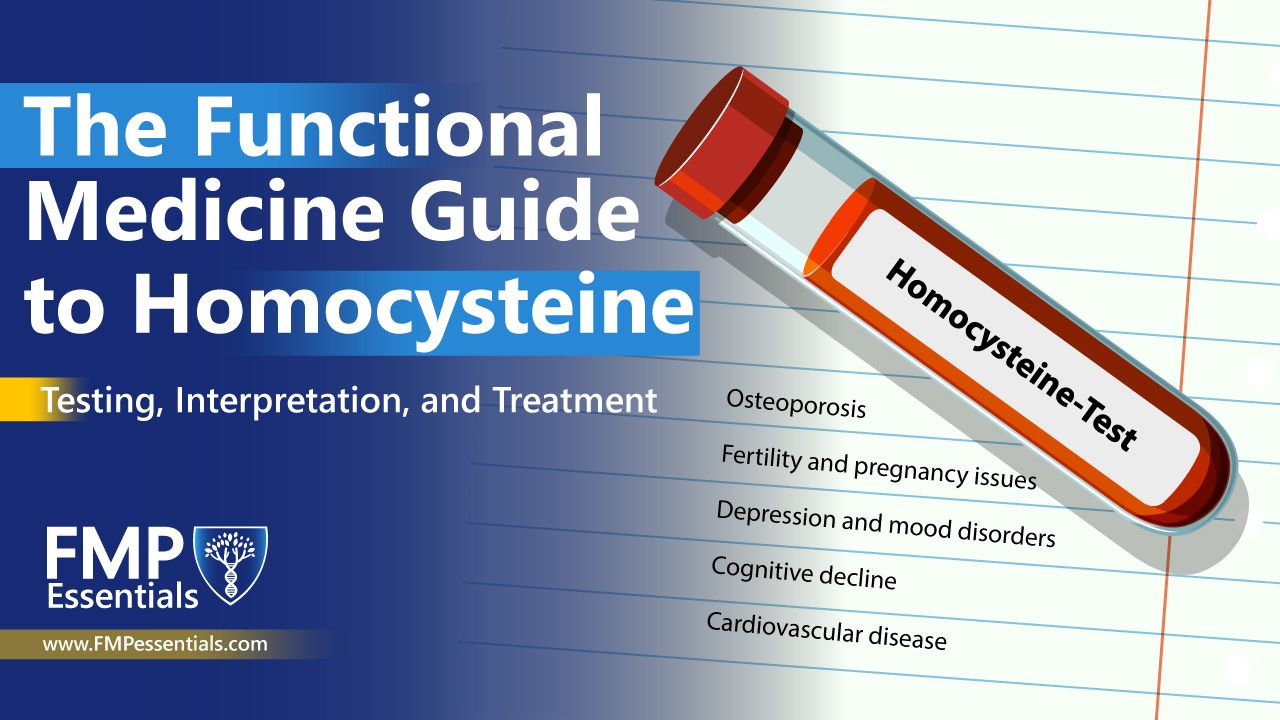
Homocysteine is more than just a lab value. It is a functional medicine marker with wide-ranging clinical implications. Elevated levels can signal nutrient deficiencies, impaired methylation, or under...

When I first began my career as an internist and pediatrician, and eventually a functional medicine physician, my approach was clear: if you correct the body’s biochemistry, health will follow.
The de...

As practitioners, we often see patients presenting with symptoms of chronic fatigue, brain fog, and stress-related dysfunction. For years, terms like “adrenal fatigue” and “cortisol steal” have been u...
