Header Logo
Home Blog Podcast Authors & Contributors Speaking Engagements
Courses
Deep Dive Courses Memberships
About
Our Mission FAQ
Contact
General Inquiries Speaking Requests Media Requests
COURSE LOGIN
← Back to all posts

July FMP Essentials Mastermind Member Newsletter

Jul 10, 2026


In This Edition:

  • What’s New at FMP Essentials: Stay updated on upcoming courses, practitioner meet-ups, exciting announcements, and new educational content.
  • Calcium & Kidney Stone Risk: This month’s Clinical Perspective explores why restricting dietary calcium may actually increase oxalate absorption and the risk of calcium oxalate stones.

  • Mastermind Podcast Spotlight: This month’s episode features nephrologist Dr. Majd Isreb in a conversation on preventing recurrent kidney stones by looking beyond hydration to calcium and oxalate balance, urinary chemistry, gut health, and other underlying contributors.
  • Blog Feature: This month’s blog looks beyond hydration to explore how urinary patterns, metabolic health, gut function, and supplements may influence recurrent kidney stones.

  • Stay informed, engaged, and ahead of the curve with this month’s updates!

What's New at FMP Essentials?

  • Public Podcast: This month’s public podcast is the same as our early-release episode featuring Dr. Majd Isreb on preventing kidney stones. Dr. Isreb and Dr. Elyaman discuss the underlying factors that contribute to kidney stone formation and practical strategies to help reduce recurrence. Available now on YouTube, Apple Podcasts, and Spotify. Click here to watch now.
  • New Integrative Nephrology Textbook: If you enjoyed this month’s conversation with Dr. Majd Isreb, his new textbook, Integrative Nephrology: A Systems-Based Approach to Modern Kidney Care, is now available for preorder. We’re also proud to share that Dr. Yousef Elyaman authored a chapter in this comprehensive resource, which brings together experts in nephrology, nutrition, functional medicine, and lifestyle medicine to explore a systems-based approach to kidney health. Preorder your copy here: https://www.barnesandnoble.com/w/integrative-nephrology-majd-isreb/1149707762

  • Dr. Elyaman Returns to the Tony Robbins Stage: Last month, Dr. Yousef Elyaman had the opportunity to speak on the Tony Robbins stage for the second year in a row. We’re proud to see him return after sharing his expertise on gut health last year!


Clinical Perspective: Could Restricting Calcium Increase the Risk of Calcium Oxalate Stones?

Because calcium oxalate is the most common type of kidney stone, reducing calcium may seem like an obvious prevention strategy. However, Dr. Majd Isreb highlights that restricting dietary calcium may actually increase stone risk by allowing more oxalate to be absorbed.

4 Things to Think About Clinically

1. Adequate dietary calcium may help limit oxalate absorption
Calcium binds oxalate in the gut so it can be eliminated in the stool. When dietary calcium is inadequate, more oxalate may remain available for absorption and eventually enter the urine. For patients with calcium oxalate stones, assess whether they are getting enough dietary calcium rather than assuming calcium should be restricted.

2. Look beyond dietary oxalate when evaluating stone risk
Dr. Isreb notes that approximately 60% of oxalate is produced endogenously rather than absorbed directly from food. When urinary oxalate is elevated, consider potential contributors to internal oxalate production, including chronic high-dose vitamin C and collagen supplementation, rather than focusing solely on dietary oxalate.

3. Pair calcium with oxalate-containing meals
When reviewing a patient’s diet, assess not only total calcium intake but when it is consumed. Encourage calcium-containing foods to be eaten with higher-oxalate meals so calcium can bind oxalate in the gut before it is absorbed. This may be more useful than broadly eliminating nutritious oxalate-containing foods.

4. Consider malabsorption as a contributor to elevated urinary oxalate
When urinary oxalate is elevated, assess whether malabsorption may be contributing. With fat malabsorption, unabsorbed fat can bind calcium in the gut, leaving less calcium available to bind oxalate and allowing more oxalate to be absorbed.

What Does the Research Show?

In a controlled study, oxalate absorption averaged 17% with 200 mg of calcium daily compared with 2.6% with 1,200 mg daily. This helps explain why restricting calcium may increase urinary oxalate and stone risk.

A five-year trial in men with recurrent calcium oxalate stones and hypercalciuria also found fewer recurrences with a normal-calcium diet lower in sodium and animal protein than with a traditional low-calcium diet. Because several dietary factors were modified, the results reinforce the importance of evaluating the overall dietary pattern rather than calcium alone.

Clinical Takeaway

For patients with calcium stones and relatively high urinary calcium, the American Urological Association recommends maintaining 1,000–1,200 mg of dietary calcium daily. Rather than restricting calcium, consider total dietary calcium, how calcium and oxalate are paired at meals, and whether underlying malabsorption may be increasing oxalate absorption.

References

  • von Unruh GE, Voss S, Sauerbruch T, Hesse A. Dependence of oxalate absorption on the daily calcium intake. J Am Soc Nephrol. 2004;15(6):1567–1573.
  • Borghi L, Schianchi T, Meschi T, et al. Comparison of two diets for the prevention of recurrent stones in idiopathic hypercalciuria. N Engl J Med. 2002;346(2):77–84.
  • American Urological Association. Medical Management of Kidney Stones Guideline. Reviewed and validity confirmed 2019.

Check Out This Month's Podcast Episode
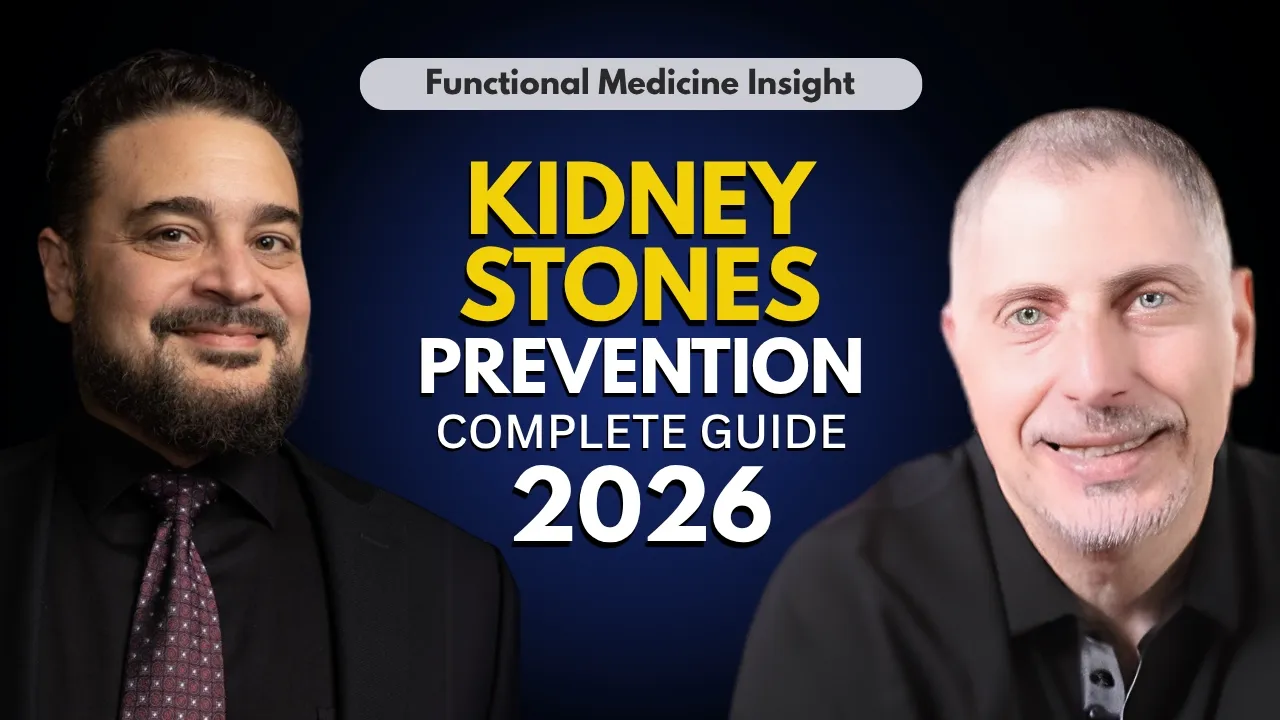
🎧 New Podcast Episode: Preventing Kidney Stones with Functional Medicine

In this month’s episode of the FMP Essentials Show, Dr. Elyaman welcomes Dr. Majd Isreb, a nephrologist and functional medicine specialist, for a practical conversation on identifying and addressing the underlying factors that contribute to recurrent kidney stones.

Rather than focusing only on removing a stone after it develops, they explore how urinary chemistry, diet, gut health, genetics, and metabolic factors may influence stone formation and recurrence.

Here’s what they cover:

  • Why kidney stones commonly recur and why prevention matters
  • The different types of kidney stones and what they may reveal clinically
  • Why restricting calcium may increase calcium oxalate stone risk
  • How calcium, oxalate, citrate, sodium, and urine pH influence stone formation
  • The role of 24-hour urine testing in identifying individual risk factors
  • How gut health and malabsorption may affect oxalate metabolism
  • Potential concerns with high-dose vitamin C, collagen, and vitamin D in susceptible patients
  • Personalized strategies for reducing recurrence and supporting kidney health

This episode offers practitioners a more individualized framework for understanding why kidney stones develop and how to move beyond generic prevention advice.

How to watch/listen: Log into your account, select the Bronze Mastermind, and scroll down to the "Expert Interviews, Insights & Podcasts" section to find the episode.


Check Out This Month's Blog Post


Beyond “Drink More Water”: A Functional Medicine Approach to Preventing Recurrent Kidney Stones

This month’s blog explores how stone analysis, 24-hour urine testing, metabolic health, gut function, and supplement use can help practitioners identify why kidney stones recur.

It also highlights how an individualized, systems-based approach can move prevention beyond generic hydration advice.

Click here to view the article!


Help Us Grow Our Community!


Know a colleague who would benefit from being part of this Mastermind? Feel free to invite them to join us! 


Thank you for being part of our community!

- The FMP Essentials Team
Responses

Join the conversation
t("newsletters.loading")
Loading...
June FMP Essentials Mastermind Member Newsletter
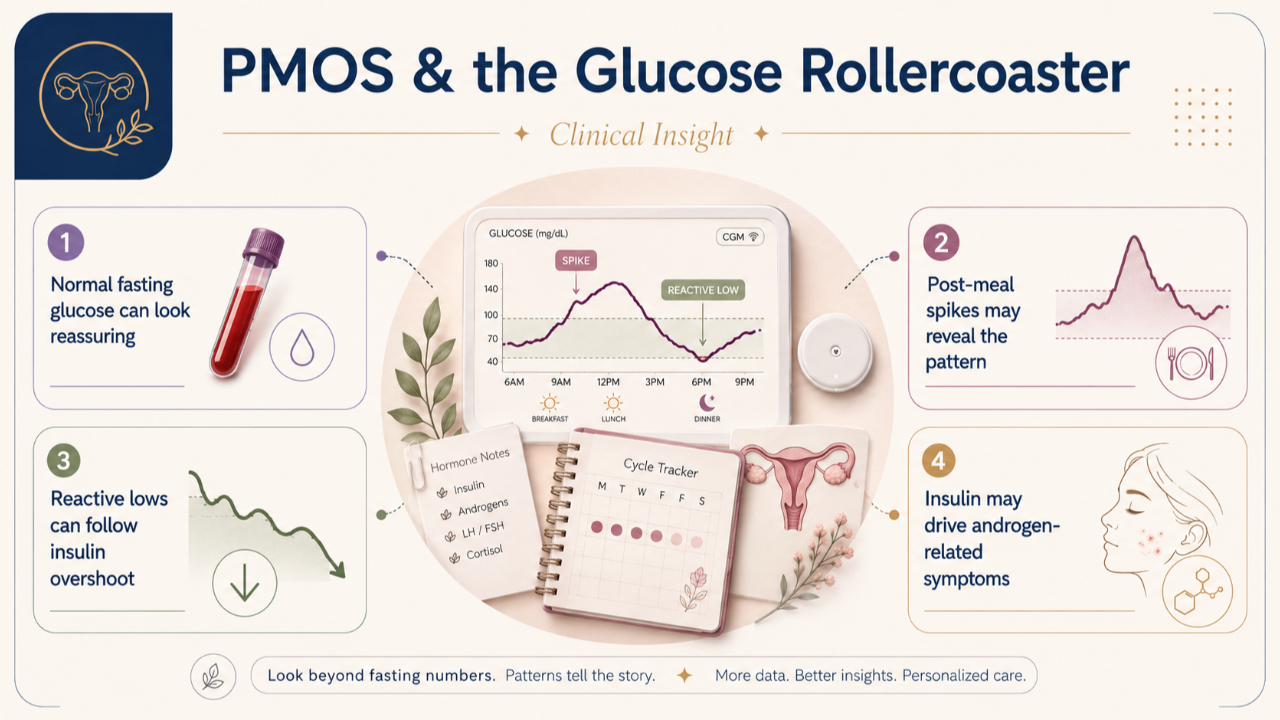
  In This Edition: What’s New at FMP Essentials: Stay updated on upcoming courses, practitioner meet-ups, exciting announcements, and new educational content. PMOS & the Glucose Rollercoaster: This month’s clinical insight explores how normal fasting glucose and hemoglobin A1c may miss deeper metabolic patterns in polyendocrine metabolic ovarian syndrome (PMOS), including post-meal gluc...
May FMP Essentials Mastermind Member Newsletter
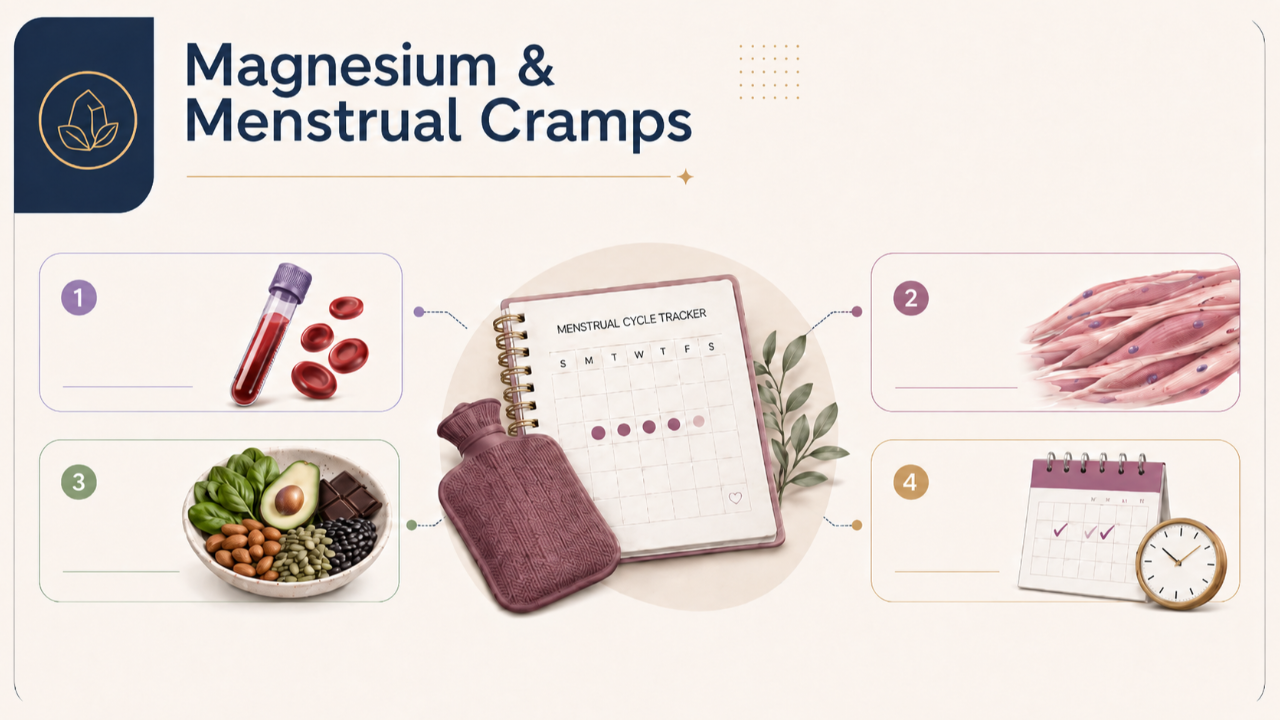
  In This Edition: What’s New at FMP Essentials: Stay updated on upcoming courses, practitioner meet-ups, exciting announcements, and new educational content. Magnesium & Menstrual Cramps: This month’s clinical insight explores why magnesium status may be an overlooked factor in painful periods, including RBC magnesium, food sources, and repletion considerations. Private Mastermi...
April FMP Essentials Mastermind Member Newsletter
  In This Edition: What’s New at FMP Essentials: Stay updated on upcoming courses, practitioner meet-ups, exciting announcements, and new educational content. Personalized Blood Sugar Response: This month’s feature highlights emerging research showing that glucose responses to food vary significantly between individuals, with factors like microbiome composition and physiology influencin...

FMP Essentials Mastermind Newsletter

Stay ahead in your functional medicine practice with our Mastermind Newsletter! Learn about upcoming events and webinars, get news and updates, and discover actionable tips, as well as community highlights.
Footer Logo
Home About Contact Us Blog
Terms And Conditions Privacy Policy
© 2026 Functional Medicine Practitioner Essentials |All Rights Reserved|

Get Your MASLD Liver Progression Guide!

Download this helpful handout to educate patients on the stages of fatty liver disease and support their understanding of liver health.

By downloading, you'll be subscribed to our email list for updates on functional medicine resources and upcoming courses. You can unsubscribe at any time.

Sign Up for a Launch Reminder Email!